
Retaining Walls in Hamilton
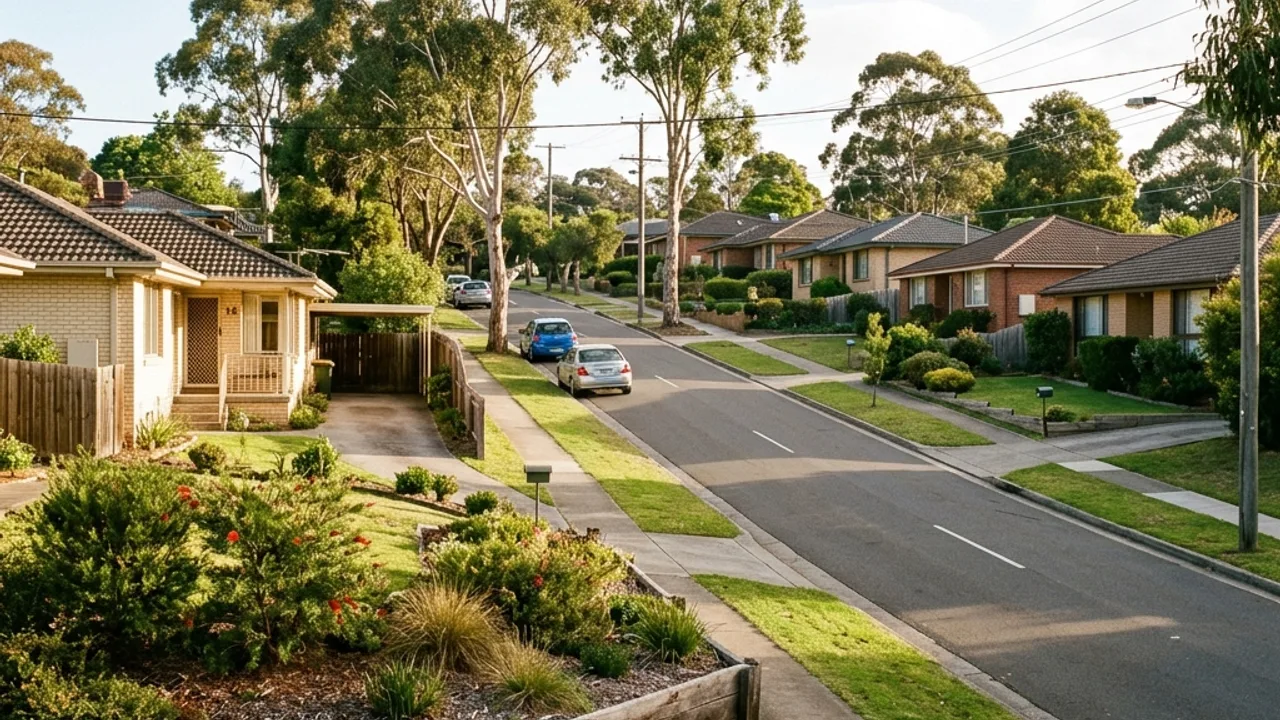
Established suburb of Federation and interwar homes on gently sloping blocks near the rail corridor.
Retaining wall Newcastle guidance for Hamilton
Hamilton's Federation and interwar homes sit on gently sloping blocks near the rail corridor, which generally means retaining needs here are more moderate than the steeper ridge suburbs - often a single low wall for a driveway or garden terrace rather than a full engineered structure. Concrete sleeper and besser block are both common choices where a driveway retaining wall needs to handle vehicle loads near the kerb.
Why Hamilton homeowners use our help
Driveway-load expertise
Our network includes contractors who understand vehicle-load retaining near kerbs and driveways.
Right-sized advice
We won't oversell an engineered wall when a straightforward low retaining job is genuinely enough.
Local access knowledge
We know Hamilton's streets and typical block layouts from prior local enquiries.
About Hamilton
Hamilton is best known for the Beaumont Street dining strip and its proximity to Hamilton railway station, with a housing mix of Federation cottages and interwar bungalows on generally manageable slopes compared to Newcastle's steeper suburbs. Its established streetscape means most retaining jobs here are driveway or garden-terrace work rather than major structural rebuilds.
Local conditions in Hamilton
Properties along Tudor Street and Denison Street typically sit on modest grade changes, often needing a low wall to manage a driveway drop or a garden bed rather than a full-height structural retaining job. Blocks near Gregson Park sit on similarly gentle grades, and Hamilton's proximity to Broadmeadow means many blocks share the same coal-measures ground conditions as its western neighbours, so drainage still matters even where the slope itself looks gentle.
Best wall material for Hamilton
Concrete sleeper and besser block are the two materials that come up most in Hamilton, largely because most jobs here are driveway retaining rather than a full terraced garden rebuild, and both handle vehicle-load surcharge more predictably than timber. Where the job is a simple garden-bed terrace on a gentle slope, timber sleeper remains a sound, lower-cost option. Because Hamilton's grade changes are generally modest, most walls here sit comfortably under the height where engineering becomes mandatory - though we still confirm that on a case-by-case basis rather than assuming it.
Retaining wall services available in Hamilton
Every service below is available in Hamilton. Pick one for scope, cost and what to expect, or submit the form for a free review.
Talk to a specialist
Ready to get help with your Hamilton retaining wall?
Share the details and we will help you take the next step with confidence.