
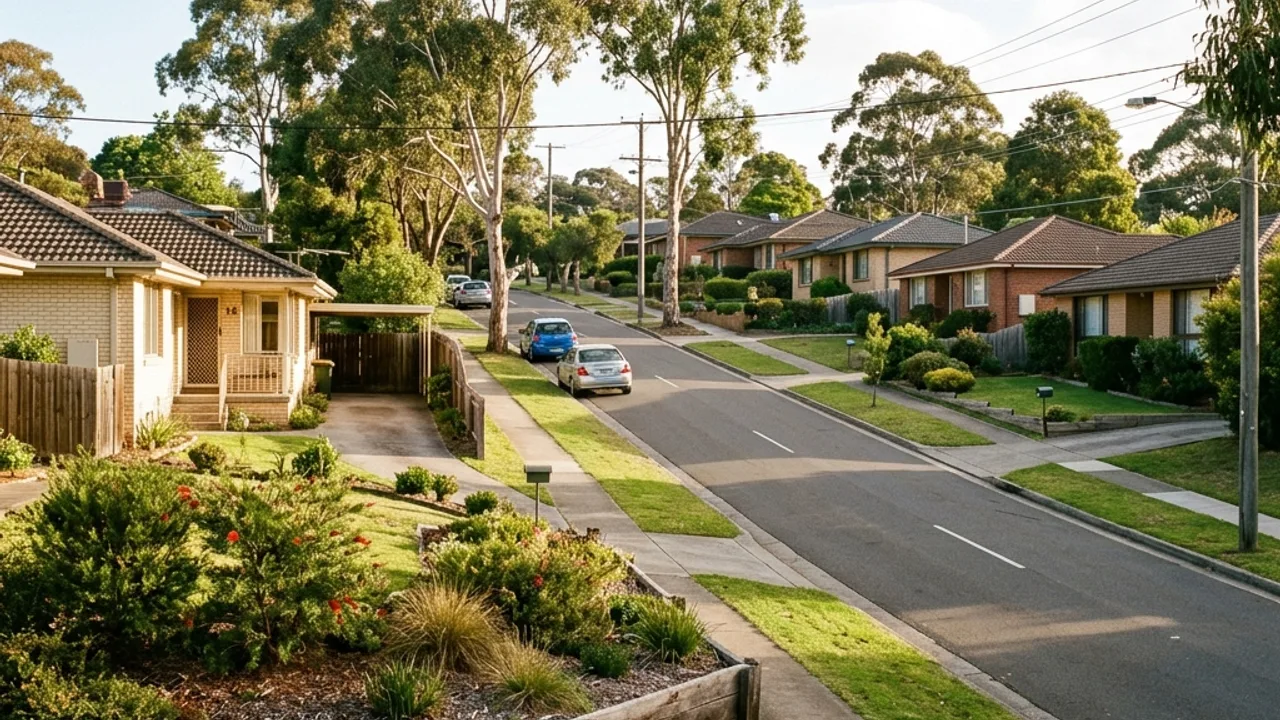
Retaining walls in Stockton, NSW

Retaining Walls in Stockton

Coastal peninsula suburb across the harbour, where salt exposure and beach sand conditions shape material choice for retaining walls.

Retaining wall newcastle homeowners in Stockton trust starts with understanding your site - we help you compare materials and connect with a licensed local contractor for a written quote.

Retaining wall Newcastle guidance for Stockton

Stockton's coastal peninsula position means salt exposure and beach sand conditions are the dominant factors in material choice - more than anywhere else in the Newcastle catchment. Galvanised concrete sleeper and sandstone both handle the exposure well; untreated steel fittings are the first thing to fail near the beach, and that's the detail worth getting right from the start.

Why Stockton homeowners use our help

Coastal-exposure specialists

We prioritise galvanised and corrosion-resistant materials for Stockton's beach-adjacent conditions.

Sand-geology understanding

We factor in shallow groundwater typical of Stockton's peninsula ground.

Ferry-access aware

We coordinate with contractors who know how to plan material delivery to Stockton efficiently.

About Stockton

Stockton is a coastal peninsula suburb reached by ferry across Newcastle Harbour, home to Stockton Beach, the Stockton ferry wharf and the historic Fort Wallace. Its exposed coastal position and beach-adjacent geology make it distinct from the rest of the Newcastle LGA, with retaining work here shaped almost entirely by exposure and ground conditions rather than slope.

Local conditions in Stockton

Mitchell Street and Fullerton Street sit close enough to the coast that salt-air exposure genuinely shortens the service life of untreated fittings, which is why galvanised hardware and corrosion-resistant materials come up in nearly every Stockton conversation. Corlette Street's position toward Fern Bay and Fullerton Cove means some blocks also deal with shallow groundwater typical of the peninsula's sandy geology.

Best wall material for Stockton

Galvanised concrete sleeper and sandstone are the two materials we recommend most often in Stockton, because both tolerate the coastal salt exposure that shortens the life of untreated timber and unprotected steel fittings faster here than almost anywhere else in the Newcastle catchment. Where budget is the priority, timber sleeper can still work, but we're upfront that it needs more frequent attention this close to the beach. Shallow groundwater typical of the peninsula's sandy geology also means drainage design gets particular focus, regardless of which material is chosen.

Retaining wall services available in Stockton

Every service below is available in Stockton. Pick one for scope, cost and what to expect, or submit the form for a free review.

All services ->

Talk to a specialist

Ready to get help with your Stockton retaining wall?

Share the details and we will help you take the next step with confidence.

Tell us about your project

Share the details and we will help you take the next step with confidence.

Optional - it helps us point your enquiry the right way.

Your details are only used to arrange your enquiry. See our privacy policy.

Adjacent suburbs we also cover

Stockton retaining wall FAQs

How much does it cost to replace an old timber retaining wall?
Replacing an old timber retaining wall can range from a few thousand dollars for a short, low wall to well over $20,000 for long or taller walls, especially once demolition and disposal are included. Recent discussions among NSW renovators show substantial jobs often landing in the tens of thousands of dollars when concrete sleepers and engineering are used. Costs depend on wall length and height, access for machinery, and whether you change materials. Contractors generally recommend a site visit before giving a firm figure.
Are concrete block retaining walls more expensive than sleepers?
Concrete block or besser block retaining walls usually cost more than basic timber or sleeper walls because they involve more labour, footings and often reinforcement. Typical pricing sits in the higher per‑square‑metre bands used in Australian cost guides. However, they can offer a very long lifespan and a more architectural look that some Newcastle homeowners prefer. The choice often comes down to aesthetics, budget and structural requirements.
Do I need an engineer’s certificate for my retaining wall in NSW?
In NSW, walls above certain heights or those supporting buildings, driveways or steep slopes often require engineering design and certification. Cost guides commonly allow between several hundred and a couple of thousand dollars for engineering on larger projects. Councils use engineering certificates to confirm that the wall meets structural standards and is safe. Checking with your local council and engineer early helps avoid delays and rework.
How much should I budget for a small garden retaining wall?
Small garden retaining walls can sometimes be completed for under about $1,000 in materials and labour if the wall is short and low, especially using timber. Many Australian cost guides suggest that once you include excavation, proper drainage and labour, a typical small project may sit in the $2,000–$3,000+ range. Decorative finishes, steps and tight access can add to the bill. Getting a few local quotes around Newcastle gives a clearer idea for your specific design.
What retaining wall materials last the longest?
Concrete sleepers, reinforced concrete and quality stone such as sandstone generally provide some of the longest lifespans for retaining walls in NSW conditions. Treated pine and other timbers can be cost‑effective but typically have shorter service lives, especially in damp or termite‑prone areas. Proper drainage and construction are just as important as material choice for longevity. Many Newcastle homeowners choose materials based on a balance of appearance, cost and expected lifespan.