
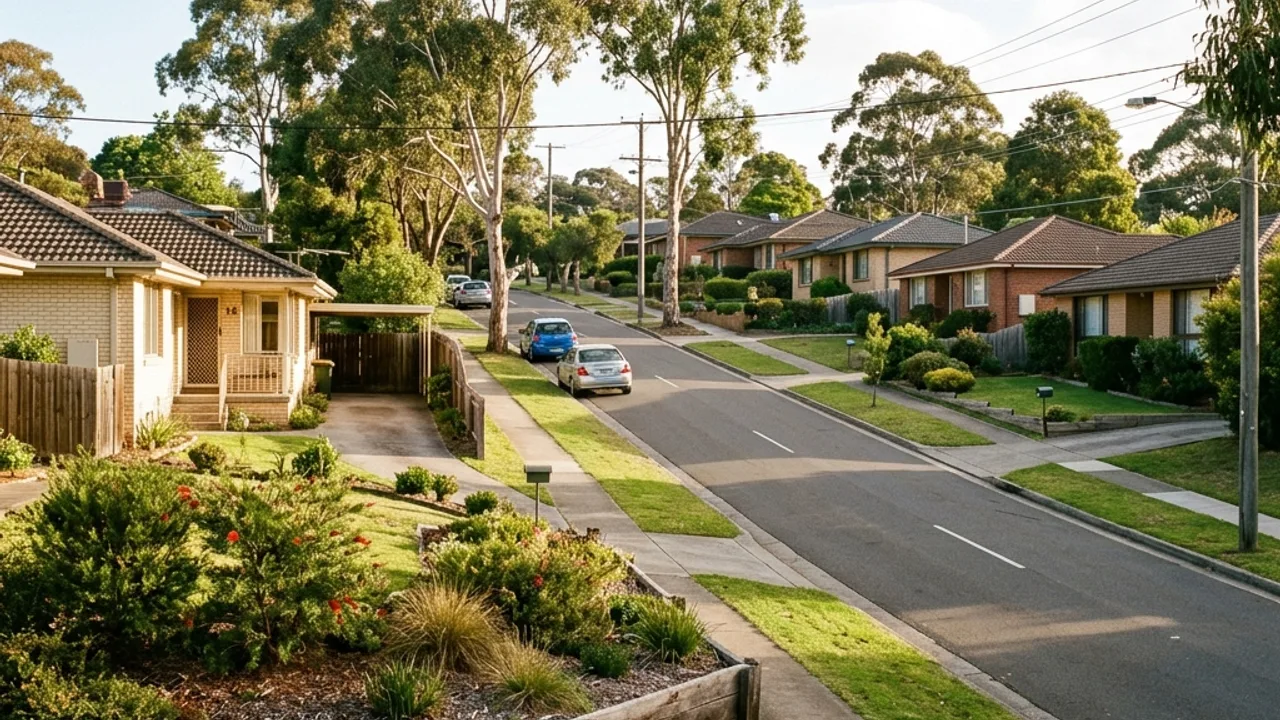
Retaining walls in Newcastle East, NSW

Retaining Walls in Newcastle East

Historic harbour-mouth precinct on sandstone headland, where cut terraces and seawall-adjacent retaining are part of the built heritage.

Retaining wall newcastle homeowners in Newcastle East trust starts with understanding your site - we help you compare materials and connect with a licensed local contractor for a written quote.

Retaining wall Newcastle guidance for Newcastle East

Newcastle East's sandstone headland setting means cut terraces and seawall-adjacent retaining are part of the suburb's built heritage, and any new work here often needs to sit alongside genuinely old stone retaining. Sandstone remains the material that suits the area's character best, though engineering and heritage considerations both come up often given the suburb's history and proximity to the harbour mouth.

Why Newcastle East homeowners use our help

Sandstone-heritage expertise

Our network includes contractors experienced in matching Newcastle East's existing stone retaining.

Heritage-and-approval awareness

We flag both heritage and standard planning considerations relevant to this precinct.

Coastal engineering knowledge

We understand the added considerations of retaining work near the harbour mouth.

About Newcastle East

Newcastle East is the historic harbour-mouth precinct anchored by Fort Scratchley and the Nobbys Head lighthouse, with the Newcastle Ocean Baths marking its coastal edge. Its sandstone headland geology and heritage streetscape make it one of the city's most distinctive suburbs for retaining wall work.

Local conditions in Newcastle East

Shortland Esplanade and Parnell Place sit close to the harbour mouth, where original sandstone retaining is common and any new wall benefits from sitting sympathetically alongside it. Watt Street's mix of heritage buildings and residential streets means council and heritage considerations are worth raising early, alongside the standard NSW approval questions that apply everywhere.

Best wall material for Newcastle East

Sandstone is the material that suits Newcastle East best, both for its durability against the coastal and harbour-mouth exposure and because it sits sympathetically alongside the suburb's genuinely old stone retaining. Besser block is used where a heritage-sympathetic finish matters less than structural performance, such as a rear-yard wall away from the street frontage. Given the suburb's heritage overlays and proximity to the harbour, we raise both heritage and standard NSW planning considerations early, since either can affect the approval pathway independently of the wall's height.

Retaining wall services available in Newcastle East

Every service below is available in Newcastle East. Pick one for scope, cost and what to expect, or submit the form for a free review.

All services ->

Talk to a specialist

Ready to get help with your Newcastle East retaining wall?

Share the details and we will help you take the next step with confidence.

Tell us about your project

Share the details and we will help you take the next step with confidence.

Optional - it helps us point your enquiry the right way.

Your details are only used to arrange your enquiry. See our privacy policy.

Adjacent suburbs we also cover

Newcastle East retaining wall FAQs

How much should I budget for a small garden retaining wall?
Small garden retaining walls can sometimes be completed for under about $1,000 in materials and labour if the wall is short and low, especially using timber. Many Australian cost guides suggest that once you include excavation, proper drainage and labour, a typical small project may sit in the $2,000–$3,000+ range. Decorative finishes, steps and tight access can add to the bill. Getting a few local quotes around Newcastle gives a clearer idea for your specific design.
What retaining wall materials last the longest?
Concrete sleepers, reinforced concrete and quality stone such as sandstone generally provide some of the longest lifespans for retaining walls in NSW conditions. Treated pine and other timbers can be cost‑effective but typically have shorter service lives, especially in damp or termite‑prone areas. Proper drainage and construction are just as important as material choice for longevity. Many Newcastle homeowners choose materials based on a balance of appearance, cost and expected lifespan.
Are there special rules for retaining walls near the beach in Newcastle?
Areas close to the coast, like Stockton and Newcastle East, often face extra considerations such as salt exposure, wind and potential erosion. While basic structural rules are similar to the rest of the city, engineers may specify different materials, coatings or foundations to cope with coastal conditions. Councils can also have specific controls on works near dunes or foreshore reserves. Using a designer familiar with coastal sites is common in these suburbs.
How do I stop water from pooling behind my retaining wall?
Preventing water pooling involves installing proper subsoil drainage such as slotted ag‑pipe, free‑draining gravel backfill and suitable outlets away from structures. In heavy clay soils around Newcastle, builders often pay extra attention to creating a fall for the pipe and avoiding blocked exit points. Retrofitting drainage to an existing wall can sometimes be done by installing new pipes and relieving some backfill. Persistent water issues are best assessed on site because they can affect stability.
Can a retaining wall be built on a steep Newcastle block?
Steep blocks, such as those found in parts of Merewether and The Hill, commonly use tiered or stepped retaining walls to manage level changes safely. These designs usually involve more engineering and careful drainage planning to handle stormwater and soil loads. Access for machinery can be challenging, which increases labour costs. Local contractors experienced with steep sites can suggest staging and layouts that meet compliance while keeping costs reasonable.