Retaining walls in Waratah, NSW

Retaining Walls in Waratah

Compact western suburb with narrow blocks and older retaining stock, close to the rail line and TAFE campus.

Retaining wall newcastle homeowners in Waratah trust starts with understanding your site - we help you compare materials and connect with a licensed local contractor for a written quote.

Retaining wall Newcastle guidance for Waratah

Waratah's narrow blocks and older retaining stock mean access is often the limiting factor on job cost as much as the wall design itself, particularly close to the rail line. Timber and smaller concrete sleeper walls suit the compact block sizes typical of the suburb, and drainage matters given Waratah's coal-measures ground.

Why Waratah homeowners use our help

Compact-site experience

Our network includes contractors used to Waratah's narrower blocks and access constraints.

Honest access-cost guidance

We flag access as a cost factor before you get a quote, not after.

Local ground knowledge

We understand the coal-measures drainage considerations relevant to this part of Newcastle.

About Waratah

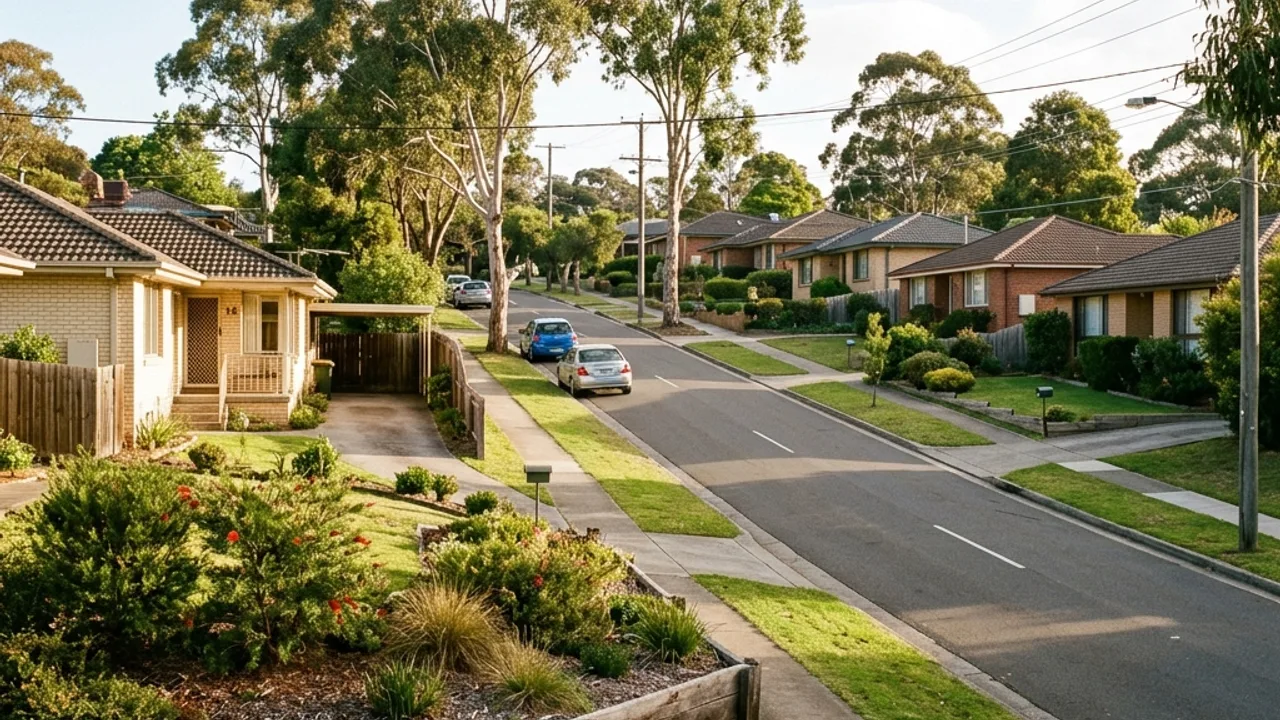
Waratah is a compact western Newcastle suburb close to the rail line and TAFE NSW Newcastle, with narrower blocks and an older housing stock than some of the city's newer estates. Its retaining work tends toward smaller-scale garden and boundary jobs, shaped by the tight block sizes common across the suburb.

Local conditions in Waratah

Turton Road and Fifth Street properties are generally on compact lots where access for machinery is limited, which is a genuine cost factor worth raising with any contractor early. Platt Street's older retaining stock reflects the suburb's age, and blocks near Waratah Park see several enquiries relating to replacing walls that have simply reached the end of a long service life.

Best wall material for Waratah

Given Waratah's narrower blocks and limited machinery access, timber sleeper and smaller concrete sleeper walls are usually the practical choice - both can be built without wide equipment access, which keeps cost down on a suburb where access is the real cost driver, not the material itself. Besser block is used selectively where a taller or load-bearing wall genuinely needs the extra rigidity. We flag access constraints as part of the first conversation, since it changes the quote more than the material choice does on a typical Waratah job.

Retaining wall services available in Waratah

Every service below is available in Waratah. Pick one for scope, cost and what to expect, or submit the form for a free review.

All services ->

Talk to a specialist

Ready to get help with your Waratah retaining wall?

Share the details and we will help you take the next step with confidence.

Tell us about your project

Share the details and we will help you take the next step with confidence.

Optional - it helps us point your enquiry the right way.

Your details are only used to arrange your enquiry. See our privacy policy.

Adjacent suburbs we also cover

Waratah retaining wall FAQs

What height can I build a retaining wall without an engineer?
Across NSW, walls over around 600–1000 mm high often need engineering input, especially if they are supporting structures, driveways or steep slopes. Short garden walls under about 600 mm may not require formal engineering, but good construction practice and drainage are still important. Once a wall approaches 1–1.5 m high, many councils insist on an engineer’s design and certification. Builders usually recommend getting professional advice for anything beyond simple low garden edging.
How long does it take to build a retaining wall at my place?
Most small residential retaining walls can be built in a few days once excavation and materials are organised. Medium jobs might take one to two weeks, especially if access is tight or weather slows work. Larger engineered walls with substantial excavation, drainage and backfilling can run into several weeks. Timeframes always depend on soil conditions, site constraints and how busy local contractors are.
Can my failing retaining wall be repaired or does it need replacing?
If a retaining wall is only showing minor movement, cracking or rot, some targeted repairs like additional drainage, new posts or partial rebuilds may stabilise it. Where a wall is significantly leaning, bowing or has poor foundations, contractors often recommend full replacement as patching is unlikely to be safe long term. Materials like older timber may be more cost‑effective to replace than reinforce. An on‑site assessment by a structural professional is usually the safest way to decide.
What’s the cheapest type of retaining wall for a backyard?
For many Newcastle homeowners, treated pine or basic timber sleeper walls are among the cheapest options for retaining small to moderate height garden areas. Simple boulder or gabion walls can also be cost‑effective in some situations, particularly where rock is readily available. Concrete sleepers and masonry blocks cost more upfront but often last longer and need less maintenance. The cheapest option still has to suit the slope, soil and drainage on your block.
Do retaining walls in Newcastle need drainage behind them?
Proper drainage behind a retaining wall is essential in Newcastle’s climate to prevent water pressure building up and pushing the wall forward. Most designs include gravel backfill and perforated ag‑pipe with a fall to a suitable discharge point. Poor drainage is a common cause of wall failure, even in otherwise well‑built structures. Local builders almost always allow for drainage materials in their quotes.